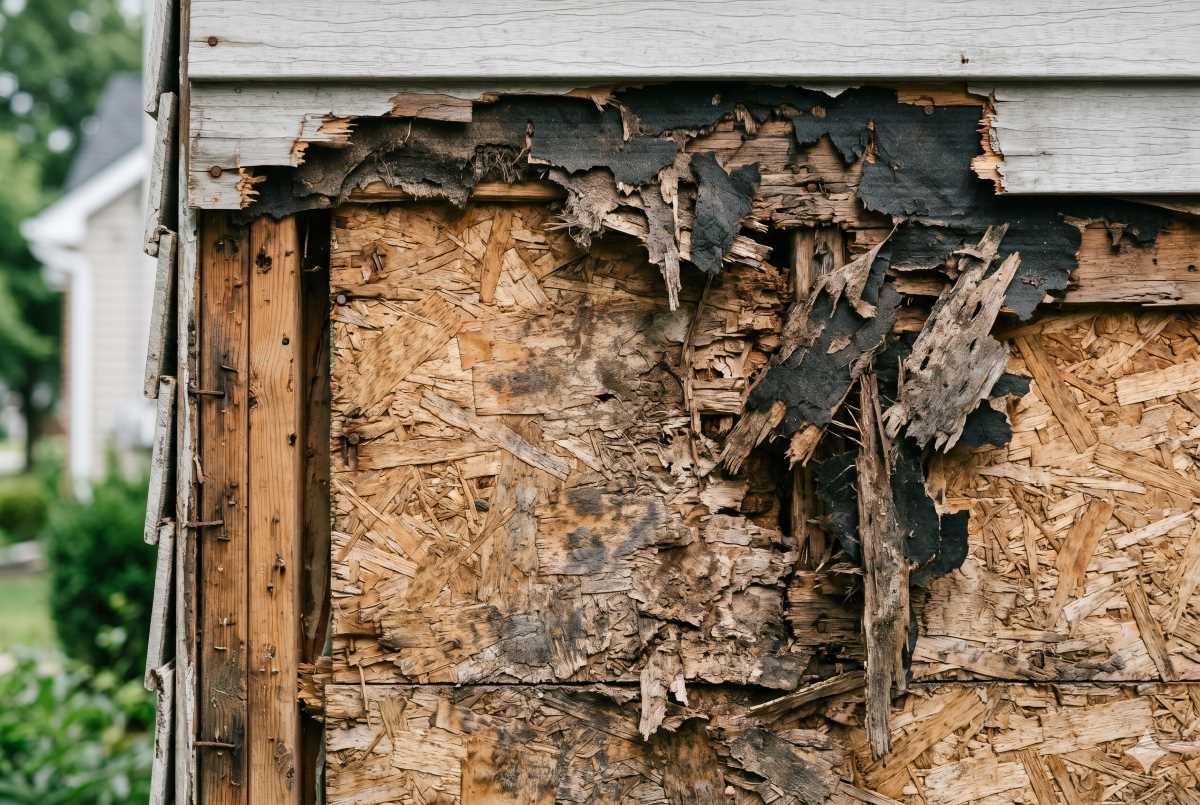
Replacing your siding gives you a chance to improve your home’s appearance and protection from the weather. It can also reveal problems that were hidden beneath the old siding. One issue you may discover is dry rot, a form of wood decay that can weaken the materials behind your home’s exterior.
At Comfort, we help homeowners throughout Upstate New York improve and protect their homes with quality siding solutions. When we remove old siding, we can get a better look at the materials underneath. Understanding the signs of dry rot can help homeowners see why damaged wood should be addressed before new siding is installed.
What Is Dry Rot?
Despite its name, dry rot develops when wood is exposed to moisture. When wood remains damp, certain fungi can begin breaking down the material. Over time, affected wood may lose its strength and become brittle, cracked, or soft.
Moisture can get behind siding for several reasons. Damaged siding, failed caulking, gaps around windows and doors, and other exterior issues can allow water to reach the wood underneath. Because siding covers these materials, the damage may not be noticeable from outside the home.
Signs of Dry Rot During Siding Replacement
Removing old siding provides an opportunity to inspect areas that are normally hidden. If moisture has reached the wood behind your siding, there may be visible signs of deterioration.
Some common signs of dry rot and other wood decay include:
- Soft or spongy wood
- Cracked, brittle, or crumbling areas
- Dark or discolored wood
- Musty odors around affected materials
- Wood that appears weak or damaged
Not every stain or damaged area means dry rot is present. However, these warning signs deserve attention before new siding covers the area again.
Why Dry Rot Can Be Hidden Behind Siding
Siding acts as a protective layer for your home, so you may not be able to see what is happening behind it. A small opening that allows moisture to enter may cause hidden damage long before you notice a problem inside or outside your home.
This can be an important concern for Upstate New York homes that face rain, snow, ice, and changing seasonal conditions. If water finds its way behind damaged exterior materials, the wood may remain damp enough for deterioration to develop.
There may be warning signs before siding replacement begins. Loose or warped siding, peeling paint, staining, or recurring moisture problems can suggest that the materials underneath should be inspected.
Why Address Dry Rot Before Installing New Siding?
New siding needs a solid surface underneath it. Installing new materials over weakened or deteriorated wood can leave an existing problem unresolved. It may also prevent the new siding system from performing as intended.
When damaged wood is uncovered, the affected materials should be evaluated before the siding project continues. It is also important to identify how moisture reached the area. Correcting the source of water intrusion can help protect repaired materials and the new siding.
Finding hidden damage during siding replacement may feel like an unexpected complication, but it also provides an opportunity to address the issue while the area is already exposed.
Protect Your Upstate New York Home with New Siding from Comfort
A siding replacement project is about more than giving your home a fresh appearance. It is also an opportunity to inspect the exterior more closely and address hidden concerns before they become covered by new materials.
At Comfort, we provide professional siding replacement for homeowners throughout Upstate New York. Our team can help you update your home’s exterior while identifying areas that may need attention during the project. Contact Comfort today to learn more about our siding services and start planning an exterior upgrade that helps protect your home for years to come.
Subscribe to the Comfort Windows & Doors Blog



Comments